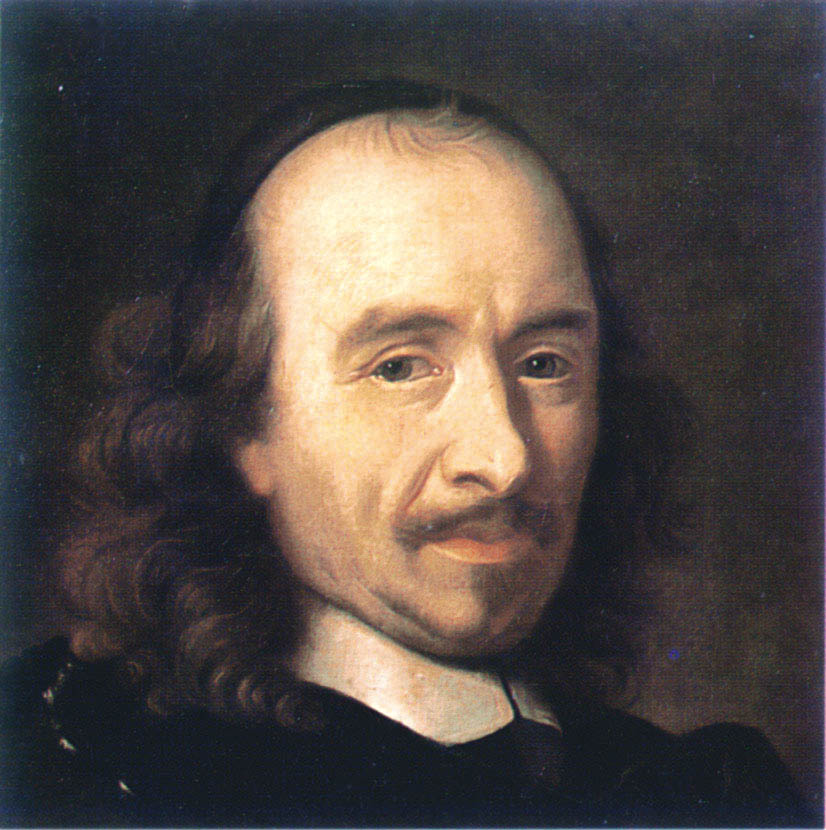
Unraveling the Enigma: Pierre Corneille's Financial Footprint (and Lack Thereof)
When searching for "corneille net worth," one quickly encounters a fascinating historical void. Unlike modern celebrities or business magnates, the concept of a meticulously documented personal "net worth" for a 17th-century dramatist like Pierre Corneille is largely anachronistic. Historical records from the era rarely focused on the precise financial minutiae of artists in the way contemporary society does. While we may not find a definitive ledger detailing Corneille's assets and liabilities in today's terms, understanding his background and the context of his life allows us to appreciate that his true "worth" far transcended any material accumulation. For a deeper dive into his financial background, or lack thereof, consider
Corneille's Financial Standing: What Biographies Don't Say.
Pierre Corneille was born into a
comfortable bourgeois family in Rouen, France. This wasn't a life of opulence, but it certainly wasn't one of destitution either. His family provided him with a stable upbringing and access to a robust education, which proved to be an invaluable investment in his future. This comfortable start allowed him the luxury of intellectual pursuit, shaping him into one of the most pivotal figures in French literature. His "net worth," therefore, must be measured not in livres or écus, but in the enduring impact of his words and ideas.
From Bourgeois Roots to Literary Luminary: Corneille's Early Life and Education
Pierre Corneille's journey to becoming a cornerstone of classical theatre began not on the stage, but in the classroom and the legal chambers. Born in 1606, his early life was shaped by his provincial bourgeois parents who instilled in him a grounded perspective. He received a rigorous
Jesuit education, a formative experience that profoundly influenced his intellectual development and, consequently, his dramatic works. This education, with its strong emphasis on Latin classics and philosophical inquiry, particularly the role of *free will* in humankind's search for a moral life, became the bedrock of his literary exploration.
Initially, Corneille followed his father's footsteps, studying law and being admitted to the bar in 1624. However, it quickly became apparent that the aggressive and verbally eloquent world of legal profession wasn't suited to his somewhat timid temperament. This period of his life, while seemingly a detour, likely sharpened his understanding of human conflict, justice, and the intricate web of societal expectations – themes that would later dominate his plays.
Despite his legal training, Corneille's true calling was the theatre. His first successful play, *Mélite: Ou, Les Fausses Lettres*, debuted in 1630 when he was in his early twenties. This early triumph marked a definitive shift in his career trajectory, signaling the arrival of a major new voice in French drama. While his peers and patrons, including Cardinal Richelieu, might have contributed to his financial stability through commissions and patronage, Corneille himself preferred the quiet pleasures of an uncomplicated, provincial family life to the bustling literary salons of Paris. He married Marie Lampérière in 1641, with whom he had six children, embodying a personal life that valued stability over extravagant social climbing. For more on his formative years, explore
Pierre Corneille's Bourgeois Roots and Literary Rise.
The Stage as His Domain: Defining Classical Tragedy
Corneille's impact on French theatre is nothing short of revolutionary. He is widely credited with establishing the very definition of
classical tragedy in France, a genre that would dominate the stage for decades and shape the works of subsequent playwrights. Following the success of *Mélite*, he rapidly produced a series of comedies, showcasing his versatility and keen understanding of dramatic structure. However, it was his magnum opus, *Le Cid*, which premiered in 1637, that truly solidified his place in literary history.
*Le Cid* presented audiences with an intense dramatic conflict centered on the eternal tension between love and honor, personal desire and societal duty. Its immediate success was immense, captivating theatregoers and sparking significant literary debate, famously known as the "Quarrel of Le Cid." This controversy, far from diminishing its stature, only cemented its importance and Corneille's role in defining the character of French classical theatre.
Throughout a remarkable career spanning forty-five years, Pierre Corneille wrote or collaborated on more than thirty plays, including influential tragedies like *Horace*, *Cinna*, and *Polyeucte*. His work consistently grappled with complex themes:
- Duty vs. Desire: The agonizing choices characters face between personal inclination and moral or societal obligations.
- Honor and Glory: The pursuit and preservation of one's reputation and integrity, often at great personal cost.
- Moral Complexity: Exploring the nuances of right and wrong, and the often-conflicting virtues that drive human action.
- Human Freedom and Will: Emphasizing the individual's capacity for choice and agency, even in the face of insurmountable odds.
Corneille's influence extended far beyond his own lifetime, shaping the aesthetic and thematic concerns of playwrights like Jean Racine and Molière. He didn't just write plays; he provided the blueprint for an entire dramatic movement, influencing how tragedy was conceived and performed for generations.
A Legacy of Ideas: Corneille's Enduring Philosophical Contributions
While a modern "corneille net worth" remains an unanswerable question, his enduring worth lies in the profound intellectual and philosophical contributions embedded within his dramatic canon. His plays are not merely entertaining narratives; they are sophisticated explorations of the human condition, moral dilemmas, and the intricate interplay between individual will and external pressures.
Corneille's Jesuit education, with its emphasis on free will and moral reasoning, shines through in characters who are often forced to make agonizing choices. He presented protagonists of immense strength and moral fortitude, elevating them to heroic status not by external might, but by their unwavering commitment to principles, even when it led to personal tragedy. This emphasis on **heroic virtue** and the internal struggle to uphold honor and duty resonated deeply with the classical ideals of the era and continues to provoke thought today.
His works offer practical insights into:
- The Power of Choice: Corneille's plays remind us that even in the most constrained circumstances, individuals possess the power of moral choice, shaping their destiny and defining their character.
- Understanding Conflict: By dissecting the tension between love and honor, duty and passion, he provides a timeless framework for understanding internal and external human conflicts.
- The Nature of Legacy: His characters often make choices that determine not only their immediate fate but also their lasting reputation, prompting reflection on what truly constitutes an enduring legacy.
Through his exploration of these universal themes, Corneille's plays remain relevant, providing a mirror for contemporary audiences to reflect on their own values, duties, and the choices they make. His work is a testament to the idea that true wealth lies in intellectual depth and lasting influence.
Beyond Gold: Measuring True Worth in Literary History
Pierre Corneille’s story is a compelling reminder that the true measure of a person’s "worth" often transcends monetary value. While detailed financial records of his personal "net worth" may be elusive, his indelible mark on literature and philosophy is quantifiable in its profound and ongoing impact. He laid the foundation for classical tragedy, influenced generations of playwrights, and enriched world literature with characters and themes that continue to resonate with audiences centuries later.
His legacy is not one of material riches, but of intellectual profundity, artistic innovation, and a tireless dedication to exploring the complexities of human morality. The "corneille net worth" that truly matters is the cultural capital he bequeathed to the world – a treasury of dramatic masterpieces that challenge, enlighten, and inspire. His enduring worth is evidenced every time his plays are studied, performed, or debated, proving that some legacies are simply invaluable.