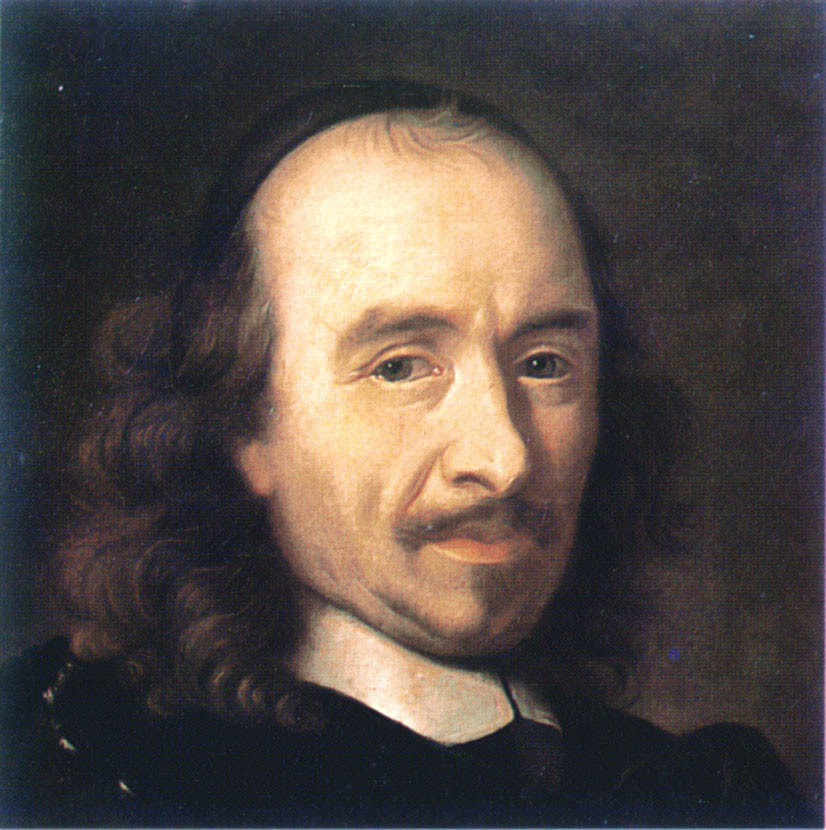
Corneille's Financial Standing: What Biographies Don't Say About His Net Worth
In an age increasingly fascinated by the financial lives of historical figures, it's natural to wonder about the wealth accumulated by literary giants like Pierre Corneille. Often credited with defining classical French tragedy and influencing generations of playwrights, his dramatic works, such as the iconic *Le Cid*, cemented his place in world literature. Yet, when we delve into historical accounts and biographies in search of a precise Corneille net worth, we often come up empty-handed. The primary sources, while rich in detail about his life, career, and artistic contributions, offer surprisingly little in the way of hard financial data. This article seeks to explore why this information is so elusive and what we can infer about Corneille's financial standing based on the available biographical context.
The Elusive "Corneille Net Worth" in Historical Context
The concept of "net worth" as we understand it today—a precise calculation of assets minus liabilities—is a distinctly modern invention. For a 17th-century figure like Pierre Corneille, such detailed financial records were rarely kept, and even less frequently preserved for posterity. The economic systems, currencies, and even the very notion of personal wealth differed significantly from our contemporary understanding. Unlike today's public figures whose financial dealings might be scrutinized, artists and intellectuals of the Ancien Régime operated within a different socio-economic framework. Their income streams were often complex, involving a mix of theatrical receipts, noble patronage, potential royal pensions, and sometimes income from other professions or inherited property.
Furthermore, historical biographies tend to focus on an individual's intellectual and artistic contributions, their personal relationships, and their impact on society. While financial struggles or immense fortunes might be mentioned if they significantly impacted a person's life choices or public image, the granular details of bank accounts, investments, or property valuations were generally not considered pertinent to their literary legacy. Thus, the absence of an explicit Corneille net worth figure in his biographies isn't an oversight, but rather a reflection of historical priorities and the limitations of available documentation.
From Comfortable Bourgeois Roots to a Lucrative Calling
While we may not have a ledger detailing Pierre Corneille's assets, his biographical details offer strong clues about his financial trajectory. Born in Rouen, France, Corneille hailed from a "comfortable bourgeois family." In the 17th century, being part of the bourgeoisie meant enjoying a stable and respectable social standing, often underpinned by land ownership, a professional occupation (like law or trade), and a decent standard of living that afforded access to education and cultural pursuits. This was a far cry from the struggles faced by many artists of lesser means, suggesting that Corneille began his life with a significant financial advantage. For more on his early life, you can explore Pierre Corneille's Bourgeois Roots and Literary Rise.
Following his father's footsteps, Corneille initially pursued a career in law, being admitted to the bar in 1624. Although he reportedly "lacked the verbal eloquence and aggressiveness required for success in the legal profession" due to his timid temperament, this legal training and qualification provided a respectable, stable profession that could have offered a steady income. It illustrates his family's commitment to providing him with a secure financial future.
However, Corneille's true calling lay in the theatre. His literary career took off with *Mélite* in 1630, and he quickly followed with several other comedies. The monumental success of *Le Cid* in 1637 not only propelled him to national fame but also, undoubtedly, brought significant financial remuneration. While playwrights' earnings could fluctuate, a successful work like *Le Cid* would have commanded substantial performance fees and recognition, opening doors to patronage. Playwrights in the 17th century often earned income through:
- Performance Royalties: Though not standardized as today, successful plays meant more performances, and thus more payments from theatre companies.
- Dedication Fees: Dedicating a play to a wealthy patron or noble could bring a substantial gift or pension.
- Patronage: Figures like Cardinal Richelieu were known to support talented artists. While the text doesn't explicitly mention Richelieu's patronage for Corneille, it was a common and significant source of income for artists of his stature.
- Publication Rights: Selling the rights to print his plays also provided income.
Corneille's prolific output—more than thirty plays over a forty-five-year career—suggests a continuous stream of income from his literary endeavors. While there were "mix of successes and failures," the sheer volume and sustained nature of his work indicate that he was able to make a consistent living from his craft.
Sustaining a Family and Living a Provincial Life
Another strong indicator of Corneille's financial stability is his ability to establish and maintain a family. In 1641, he married Marie Lampérière, and together they had six children. Supporting a household of this size, especially in an era without modern social safety nets, required a substantial and reliable income. This fact alone implies a level of financial comfort well beyond mere subsistence.
Interestingly, biographies highlight Corneille's preference for "the pleasures of an uncomplicated, provincial family life to the preciosity of Paris literary salons." This choice to remain largely in Rouen, a significant but not extravagantly costly city like Paris, further suggests a man content with a comfortable, rather than opulent, lifestyle. It hints at a practical financial management—avoiding the high expenses and competitive social demands of Parisian high society—while still enjoying the benefits of his successful career. His "physically robust" appearance, as described in later portraits, also suggests a life free from the acute privations that often accompanied poverty in the era.
While the exact figures for Corneille net worth remain elusive, we can confidently conclude that he was far from impoverished. His background, successful career, prolific output, and ability to support a large family in a comfortable provincial setting all point to a man who, while perhaps not accumulating vast riches like some merchants or high nobility, enjoyed a solid bourgeois financial standing throughout his life. His financial security allowed him the freedom to dedicate himself to his art, a privilege not afforded to all creative minds of his time.
What Biographies Do Reveal (Indirectly)
Even without explicit numbers, biographical details offer indirect insights into Corneille's financial health:
- Stability Over Ostentation: His consistent output and long career suggest steady earnings, enough to maintain a comfortable life without the need for constant, frantic pursuit of wealth.
- Independence: The ability to retreat temporarily from the stage after a period of mixed success implies he wasn't utterly reliant on continuous hits for survival. He had some financial cushion.
- No Mention of Poverty: The absence of any mention of financial destitution or severe struggle in his later years, especially given the tendency of biographies to highlight such dramatic turns, suggests he remained financially stable until his death.
- Investment in Education: His Jesuit education, and likely the education he provided for his own children, further underscores a family tradition of investing in intellectual capital, a hallmark of the comfortable bourgeoisie.
In conclusion, while searching for a precise Corneille net worth might be an exercise in futility due to historical limitations, a careful reading of his biographies paints a picture of a man from a secure background who leveraged his extraordinary talent into a sustained, successful, and financially stable career. Pierre Corneille enjoyed the comforts of the bourgeoisie, maintained a family, and lived a life that, while perhaps not extravagant by Parisian standards, allowed him the freedom and resources to dedicate himself to his literary pursuits. His true enduring worth, of course, lies not in monetary figures but in the timeless plays that continue to shape our understanding of human nature, duty, and honor, a legacy far exceeding any numerical value. For a deeper dive into this legacy, consider reading Pierre Corneille's Enduring Worth: A Legacy Beyond Wealth.
